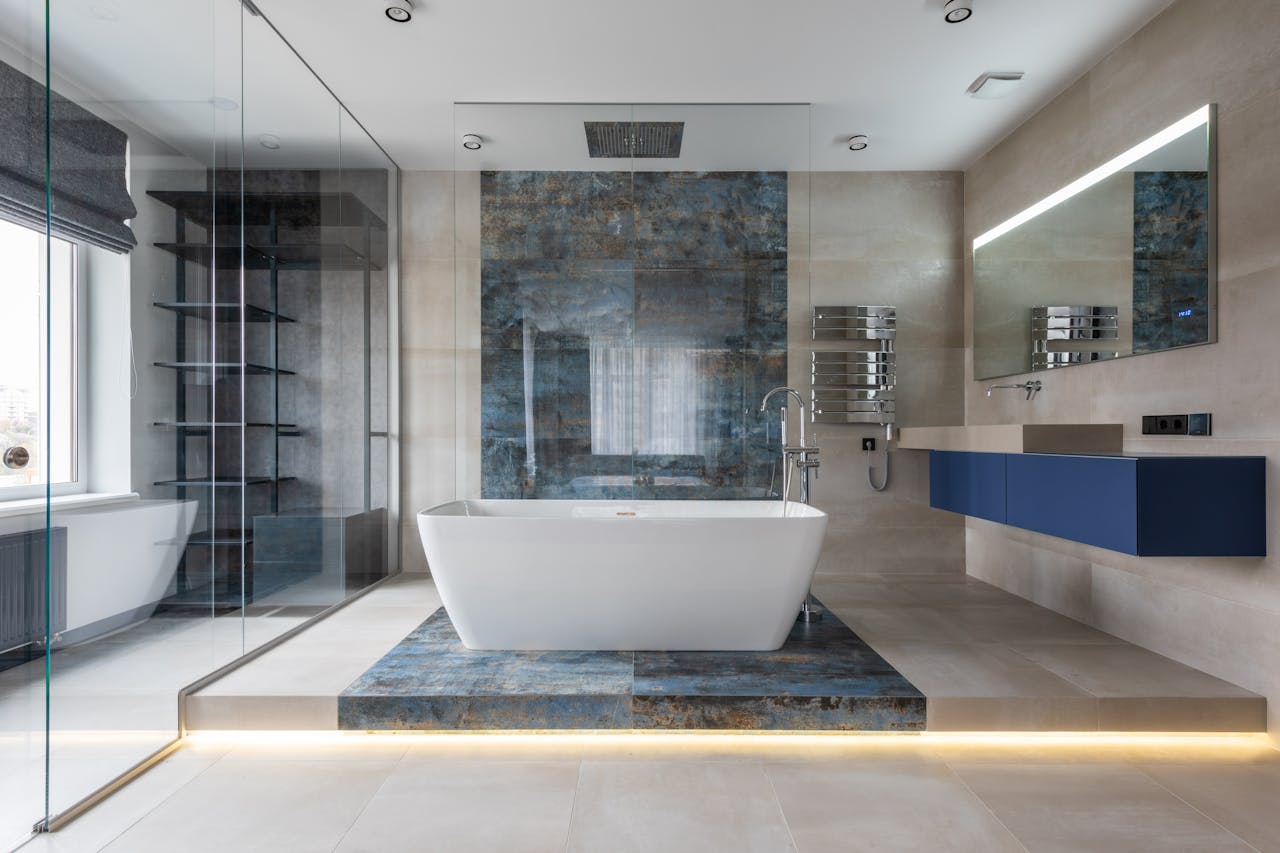
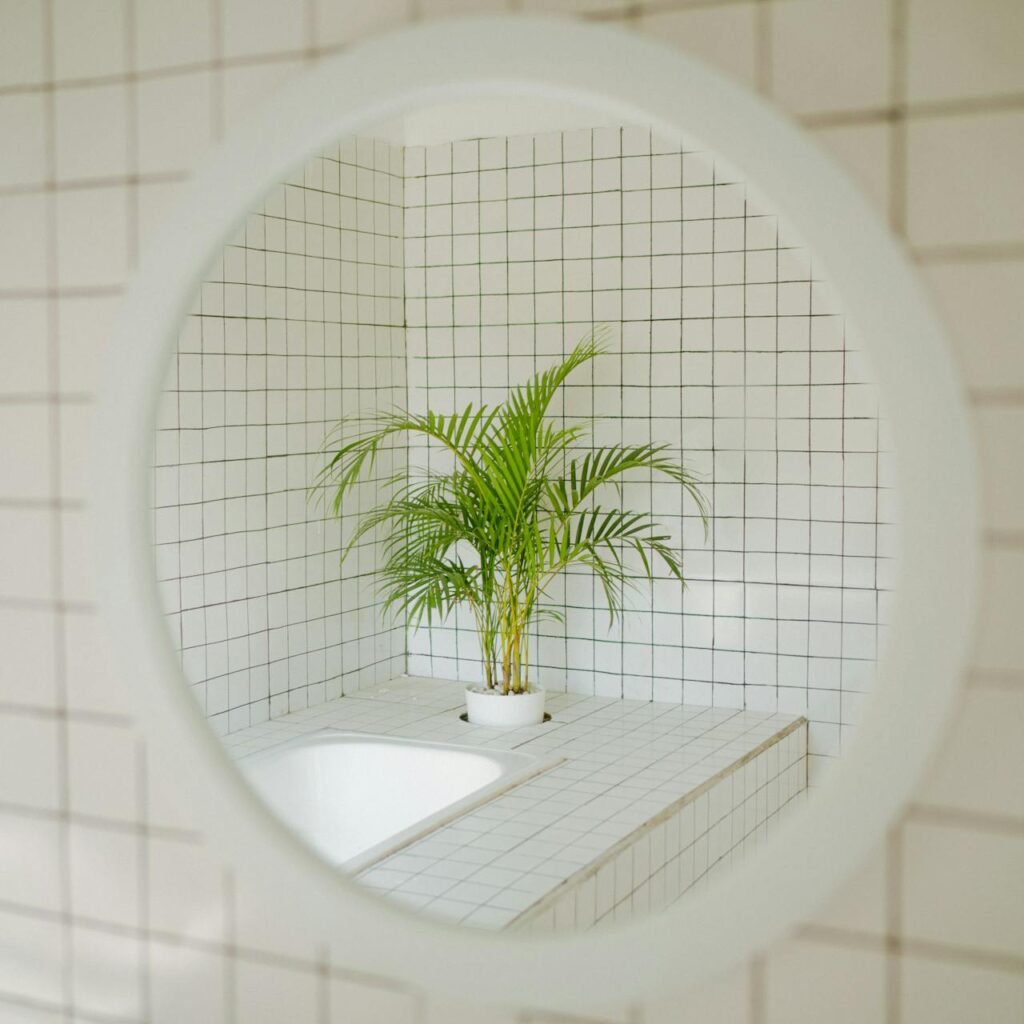
Choosing the right tiles for your home or business can be a daunting task. With so many options available, it’s easy to get overwhelmed. Two popular choices are ceramic and vitrified tiles, each offering unique benefits and drawbacks. Understanding the key differences between these materials is crucial for making an informed decision that suits your needs and budget. Let’s break down the distinctions:
What are they Made Of and How are they Made?
Ceramic tiles are crafted from natural clay, mixed with other minerals and water. This mixture is shaped, molded, and then fired in a kiln at high temperatures. This process creates a hardened surface, removing moisture and resulting in a durable product.
Vitrified tile, on the other hand, are a blend of silica, clay, quartz, and feldspar. These raw materials are finely crushed, then pressed under intense pressure before being fired at even higher temperatures than ceramic tiles. This extreme heat causes the particles to fuse together, creating a glass-like, highly resistant surface.
Porosity and Water Absorption: A Key Difference
One of the most significant differences lies in their porosity and water absorption rates. Ceramic tiles are more porous, meaning they absorb more water. This can make them susceptible to staining and water damage, particularly in high-moisture areas like bathrooms and kitchens.
Vitrified tile boast a very low porosity, making them virtually impervious to water. This inherent water resistance makes them ideal for areas prone to humidity and spills.
Strength and Longevity: Built to Last
Vitrified tiles are known for their exceptional strength and durability. The dense, compact structure resists chipping, scratching, and cracking, making them perfect for high-traffic areas like living rooms, hallways, and commercial spaces.
While ceramic tiles are also durable, they are generally more vulnerable to damage from heavy impact or weight. 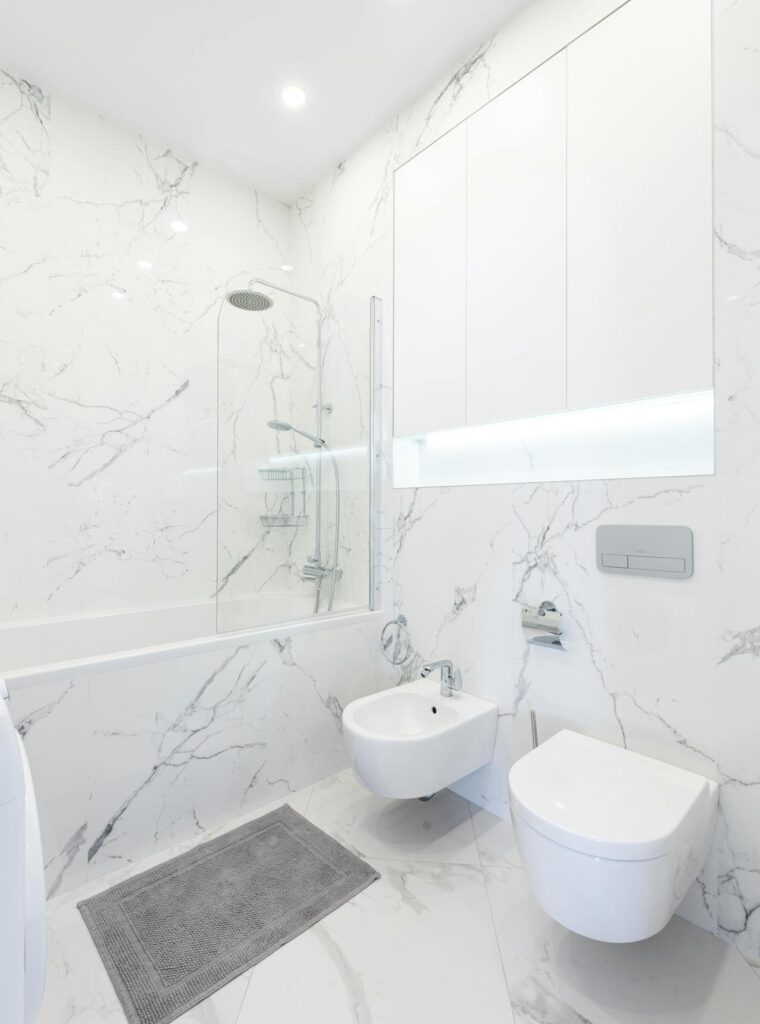
Aesthetic Appeal: Matching Your Style
Both ceramic and vitrified tiles offer a wide array of styles and finishes to complement any décor. Ceramic tile come in glossy, matte, and textured finishes, with various colors, patterns, and designs.
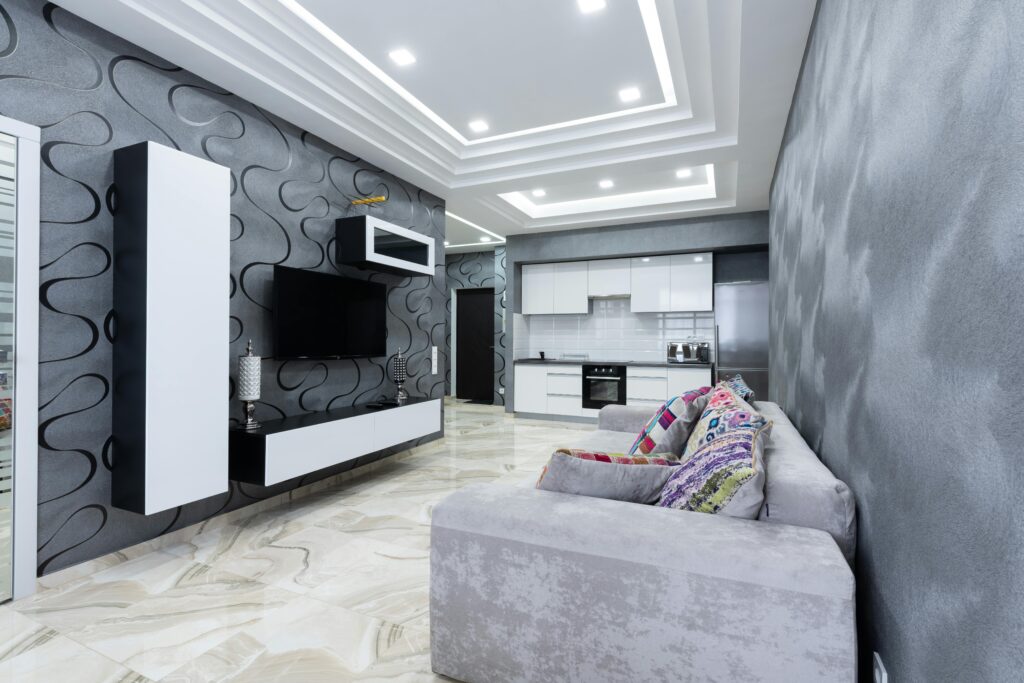
Vitrified tile often mimic the look of polished marble or granite, lending a touch of elegance and sophistication to any space. Their sleek finish makes them a popular choice for contemporary and modern designs.
Cost Considerations: Balancing Budget and Value
Ceramic tiles are typically more budget-friendly than vitrified tiles. The simpler manufacturing process and readily available materials contribute to their lower cost.
Vitrified tile come with a higher price tag due to their superior durability and performance. However, their long-term benefits, including reduced maintenance and replacement costs, can outweigh the initial investment for some homeowners and businesses.
Making the Right Choice for Your Project
While both ceramic and vitrified tiles share similarities in terms of versatility and aesthetics, their distinct characteristics make them suitable for different applications. Ceramic tile offer a cost-effective solution with a wide range of styles, ideal for budget-conscious projects. Vitrified tile, with their superior durability, strength, and luxurious appearance, are perfect for high-traffic areas and spaces demanding high performance.
Ultimately, the best choice depends on your specific needs, budget, and design preferences. Consider the traffic level, moisture exposure, and desired aesthetic for each space when making your decision. By understanding the differences between these two popular tile options, you can create beautiful, functional, and long-lasting spaces you’ll love for years to come.
Don’t Wait to Impress – Connect with Us for Stylish Ceramic Tiles and Vitrified Tiles