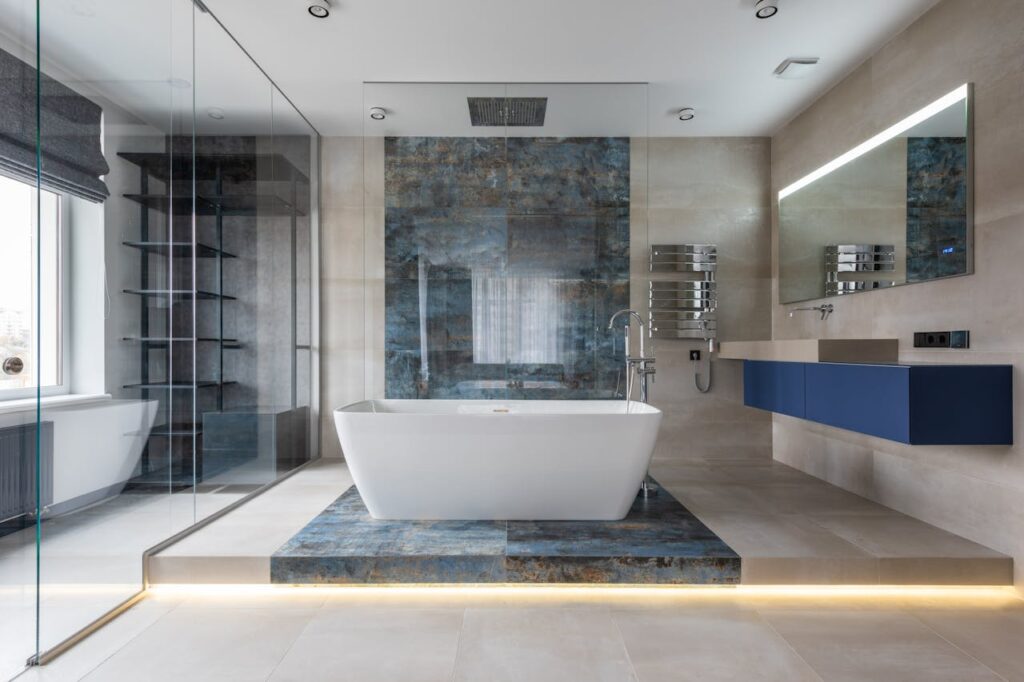
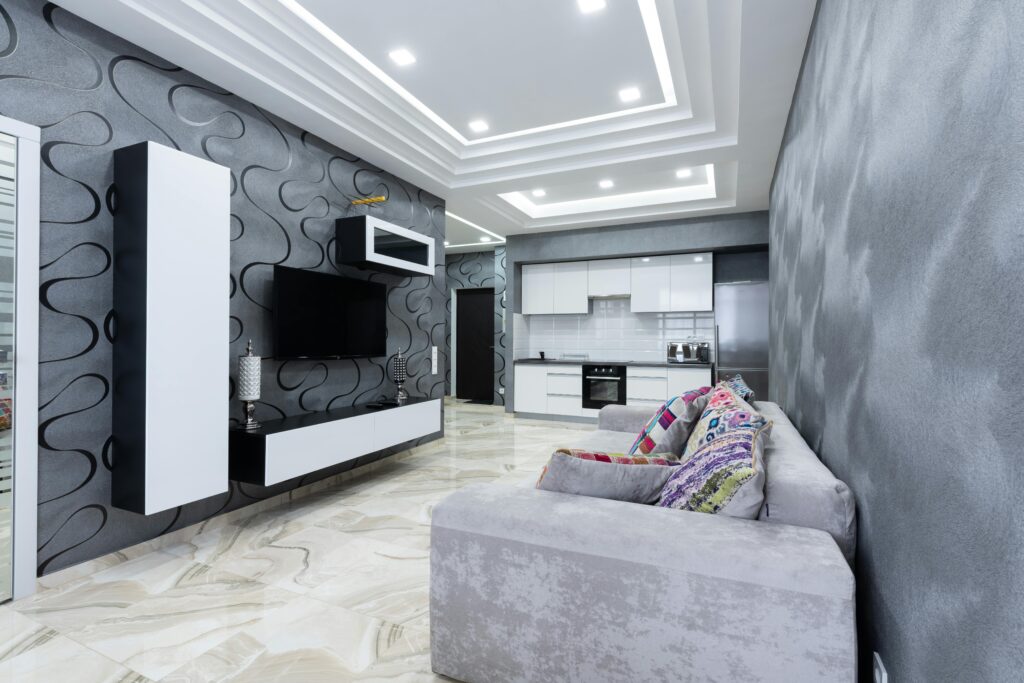
Tiles have been an integral part of human architecture and design for thousands of years, dating back to ancient civilizations. From the intricate mosaics of Roman bathhouses to the sleek porcelain surfaces in modern homes, tiles continue to evolve while maintaining their fundamental purpose of providing durable, beautiful surfaces for various applications. In this comprehensive guide, we’ll explore everything you need to know about tiles, their types, applications, and maintenance.
The Evolution of Tile Making
The history of tile making is as fascinating as the products themselves. Ancient civilizations in Mesopotamia and Egypt were among the first to develop ceramic tiles, using them for both decorative and functional purposes. The art of tile making spread across cultures, with each region developing its unique styles and techniques. Today, tile manufacturing combines these traditional methods with modern technology, resulting in products that are both aesthetically pleasing and highly functional.
Types of Tiles
Ceramic Tiles Ceramic tiles remain one of the most popular choices for both residential and commercial applications. Made from clay and other natural materials, these tiles are fired at high temperatures to create a durable surface. They come in two main varieties: glazed and unglazed. Glazed ceramic tiles offer better stain resistance and are available in countless colors and patterns, while unglazed tiles provide better slip resistance and a more natural appearance.
Porcelain Tiles Porcelain tiles are a subset of ceramic tiles but are made from more refined clay and fired at higher temperatures. This results in a denser, less porous product that’s ideal for both indoor and outdoor applications. Porcelain tiles are particularly well-suited for high-traffic areas and spaces exposed to moisture, making them perfect for bathroom tiles and outdoor installations.
Natural Stone Tiles Natural stone tiles, including marble, granite, slate, and travertine, offer unmatched beauty and uniqueness. Each piece of natural stone tile has its own pattern and character, creating truly one-of-a-kind installations. While they require more maintenance than ceramic or porcelain tiles, natural stone tiles add significant value and elegance to any space.
Mosaic Tiles Mosaic tiles, typically smaller than standard tiles, are perfect for creating intricate patterns and designs. Modern mosaic tiles come in various materials, including glass, ceramic, and natural stone. They’re particularly popular for bathroom tiles and decorative wall installations, allowing for creative expression in interior design.
Applications and Uses
Floor Tiles Tile flooring remains one of the most practical and attractive options for both residential and commercial spaces. When selecting floor tiles, important considerations include:
- Slip resistance
- Durability for the intended traffic level
- Maintenance requirements
- Visual appeal and coordination with existing décor
Wall Tiles Wall tiles serve both functional and decorative purposes. In bathrooms and kitchens, they provide essential protection against moisture and stains. Decorative wall tiles can create stunning focal points or add subtle texture to any room. The growing trend of using large-format tiles for walls creates a seamless, modern look while minimizing grout lines.
Outdoor Applications Tiles suitable for outdoor use must withstand various weather conditions and temperature changes. Porcelain tiles and certain natural stone varieties are excellent choices for:
- Patios
- Pool surroundings
- Outdoor kitchens
- Garden pathways
Installation Considerations
Proper tile installation is crucial for longevity and appearance. Key factors include:
Substrate Preparation The surface beneath the tiles must be clean, level, and properly prepared to ensure a successful installation. This may involve:
- Removing old flooring
- Repairing cracks or damage
- Installing appropriate underlayment
- Ensuring proper waterproofing in wet areas
Layout Planning Careful planning of tile layout helps achieve the best visual result and minimize waste. This includes:
- Determining the starting point
- Calculating the number of tiles needed
- Planning for patterns or special designs
- Accounting for cuts around obstacles
Grout Selection Grout choice affects both the appearance and maintenance of the installation. Consider:
- Color coordination with tiles
- Stain resistance requirements
- Width of grout lines
- Sealing needs
Maintenance and Care
Proper maintenance ensures the longevity and appearance of tile installations:
Daily Maintenance
- Regular sweeping or vacuuming to remove loose dirt
- Prompt cleaning of spills to prevent staining
- Damp mopping with appropriate cleaning solutions
Deep Cleaning
- Periodic deep cleaning with suitable products
- Professional cleaning for heavily soiled areas
- Grout cleaning and resealing as needed
Preventive Measures
- Use of door mats to reduce dirt tracking
- Protective pads under furniture
- Immediate repair of any damaged tiles or grout
Current Trends in Tile Design
The tile industry continues to innovate, offering exciting new options:
Digital Printing Technology Advanced printing techniques allow for incredibly realistic reproduction of natural materials, creating tiles that mimic:
- Wood grain
- Natural stone
- Fabric textures
- Metallic surfaces
Large Format Tiles Bigger tiles are gaining popularity, offering:
- Fewer grout lines
- More dramatic visual impact
- Easier maintenance
- Modern, sleek appearance
Sustainable Options Eco-friendly tiles are becoming increasingly available, featuring:
- Recycled materials
- Energy-efficient manufacturing processes
- Local sourcing options
- Low environmental impact
Conclusion
Tiles continue to be a versatile and practical choice for both residential and commercial applications. Whether you’re planning a bathroom renovation, installing new kitchen flooring, or creating an outdoor living space, understanding the various types of tiles, their applications, and maintenance requirements will help you make informed decisions. As technology advances and design trends evolve, the world of tiles offers endless possibilities for creating beautiful, durable surfaces that stand the test of time.
Remember that successful tile installation requires careful planning, proper preparation, and consideration of both practical and aesthetic factors. Whether working with ceramic tiles, porcelain tiles, or natural stone tiles, proper maintenance will ensure your installation remains beautiful and functional for years to come. As you embark on your tiling project, consider consulting with professionals to ensure the best possible results for your specific needs and circumstances.